
Wood vs. Composite: The Ultimate Deck Material Guide
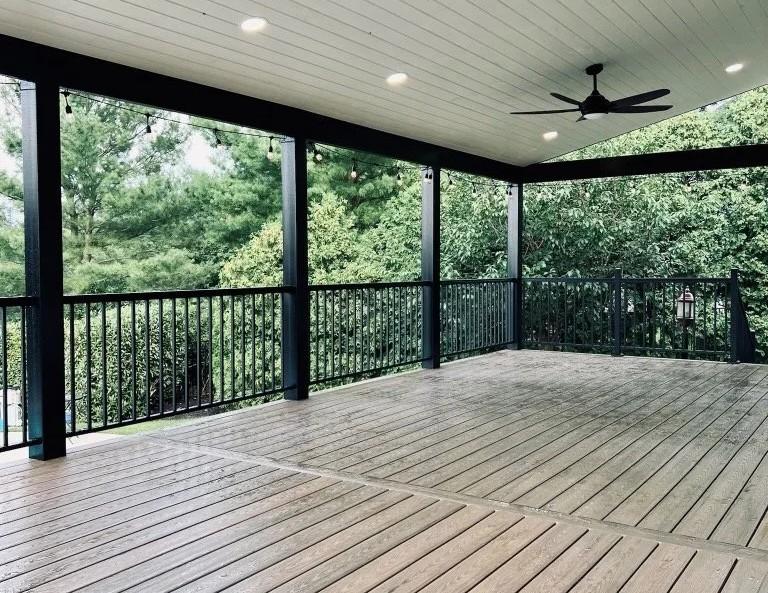
A custom deck transforms your backyard into an outdoor living room, perfect for summer barbecues, morning coffee, and evening relaxation. But before the first post is set, you face the biggest decision of the project: What material should you use?
For decades, pressure-treated wood was the only real option. Today, composite decking has revolutionized the industry. Both materials have distinct advantages, and the right choice depends on your budget, your willingness to do maintenance, and your aesthetic preferences. Here is our comprehensive guide to wood versus composite decking.
Traditional Wood Decking
Wood remains a popular choice for its natural beauty and lower initial cost. The most common options are pressure-treated pine, cedar, and exotic hardwoods like Ipe.
The Pros of Wood
- Lower Upfront Cost: Pressure-treated pine is the most affordable decking material available, making it great for tight budgets.
- Natural Beauty: Wood has an authentic warmth, grain, and feel that synthetic materials try to mimic but can never truly replicate.
- Heat Deflection: Wood naturally absorbs less heat than dense composites, making it cooler on bare feet during peak summer sun.
The Cons of Wood
- High Maintenance: This is the dealbreaker for many. Wood must be cleaned, sanded, and stained or sealed every 1-3 years to prevent rot.
- Splintering and Warping: Over time, exposure to sun and rain causes wood to crack, warp, and splinter, which can be a hazard for bare feet.
- Shorter Lifespan: Even with meticulous maintenance, a wood deck generally won't last as long as a high-quality composite.
Composite Decking
Composite decking (like Trex or TimberTech) is made from a blend of wood fibers and recycled plastics, wrapped in a protective polymer shell.
The Pros of Composite
- Ultra-Low Maintenance: You never have to sand, stain, or seal a composite deck. A simple wash with soap and water once or twice a year is all it takes.
- Incredible Durability: Composites resist fading, staining, scratching, and mold. They will not rot, warp, or splinter.
- Long Lifespan & Warranties: High-end composites often come with 25 to 50-year fade and stain warranties. They are a "one-and-done" investment.
The Cons of Composite
- Higher Upfront Cost: Composite materials are significantly more expensive to install initially than pressure-treated wood.
- Heat Retention: Darker composite boards can get very hot in direct, sustained sunlight.
Which Should You Choose?
If your budget is tight right now and you don't mind spending a few weekends every couple of years doing heavy maintenance, wood is a classic, beautiful choice.
However, if you plan to stay in your home for a long time and value your free time on the weekends, we almost always recommend composite. While the initial investment is higher, the long-term savings on stains, sealants, and labor—combined with the peace of mind of a splinter-free surface—make composite the superior choice for most modern homeowners.
Ready to start your own project?
Let's turn your ideas into reality. Get a free, no-obligation quote today.
Get a Free Quote