
5 Crucial Steps to Planning a Seamless Home Addition
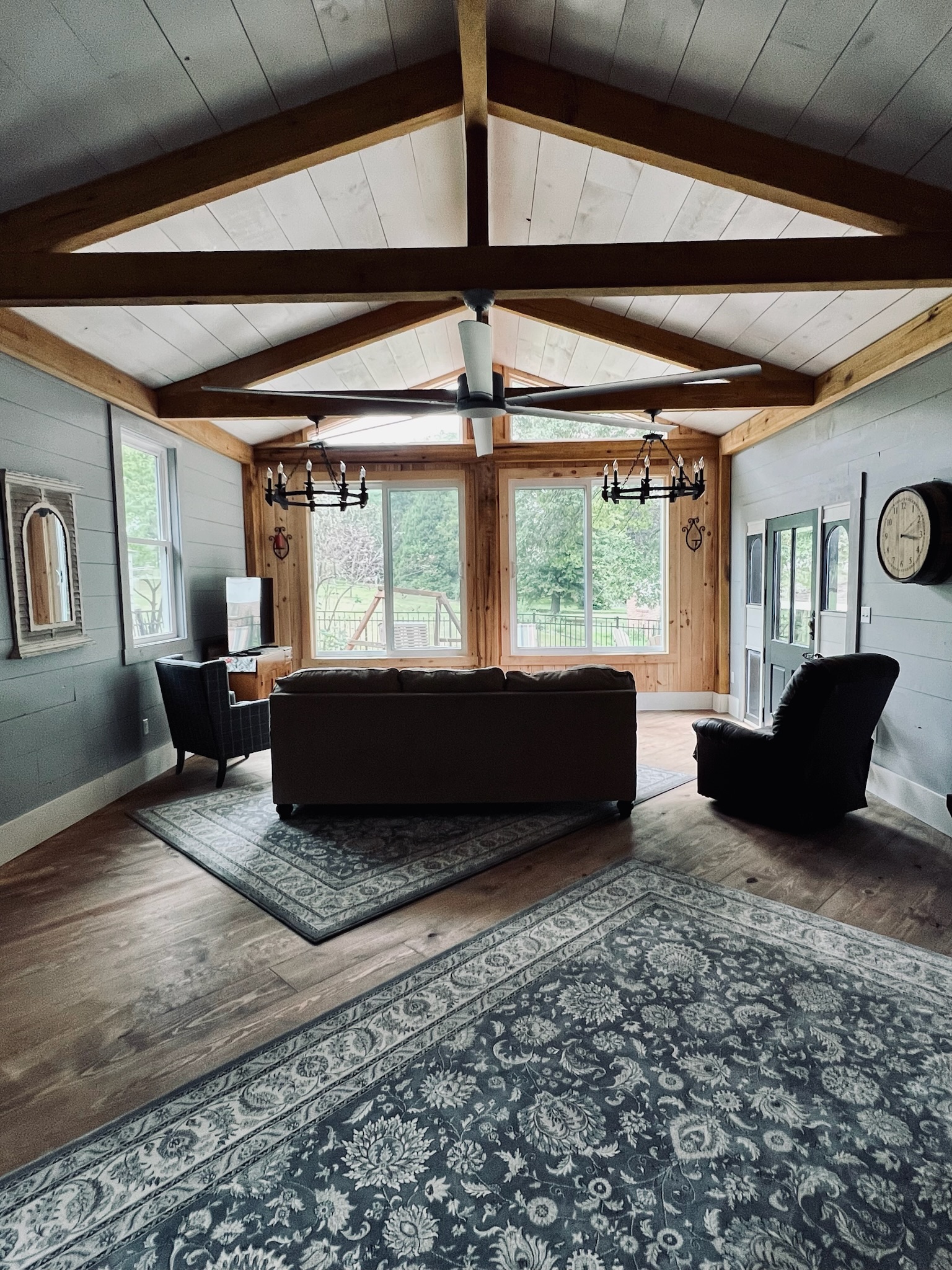
When you love your neighborhood but have simply outgrown your house, a home addition is the perfect solution. It allows you to stay where your roots are while gaining the space your family desperately needs. However, an addition is essentially building a small house attached to your current one—it is a major structural, financial, and logistical undertaking.
A poorly planned addition can look like a glued-on box, ruining your home's curb appeal and flow. To ensure your new space feels like it was always meant to be there, follow these five crucial planning steps.
1. Define Your Objectives Clearly
Before you look at a single blueprint, you need to know exactly what problem you are trying to solve. Are you adding a master suite because you need a private retreat? Expanding the kitchen to create an open-concept entertaining space? Adding an in-law suite for aging parents?
The function of the space dictates everything else: plumbing requirements, structural load, window placement, and budget. Be incredibly specific about how the new space will be used daily.
2. Establish a Realistic Budget (and a Contingency)
Home additions are expensive. You are dealing with excavation, foundation work, framing, roofing, electrical, plumbing, and finishes.
Work with a reputable contractor early to get a realistic estimate based on current material and labor costs. Once you have a number, add a 15-20% contingency fund. When you open up existing walls to connect the old house to the new, you almost always find surprises—outdated wiring, plumbing issues, or hidden rot. A contingency fund keeps these discoveries from derailing your project.
3. Prioritize Architectural Seamlessness
The biggest mistake homeowners make is building an addition that looks like an addition. Your new space should blend perfectly with the existing structure.
This means matching the roofline pitch, using identical (or highly complementary) siding and masonry, and matching the window styles and proportions. Inside, the flooring should transition smoothly, and the ceiling heights should make sense. A good contractor will ensure the new structure looks like a natural extension of the original architecture.
4. Understand Zoning and Permitting
You can't just build wherever you want on your property. Every municipality has strict zoning laws governing setbacks (how close you can build to the property line), lot coverage ratios, and height restrictions.
Before you fall in love with a design, your contractor must verify that it is legally permitted on your specific lot. Navigating the permitting process can take months, so starting this step early is critical to keeping your timeline on track.
5. Plan for the Disruption
Living through an addition is stressful. There will be noise, dust, and strangers in your yard for months.
Talk to your contractor about how they manage the site. How will they separate the construction zone from your living space? Where will materials be staged? Will there be periods where your water or power must be shut off? Setting clear expectations about the daily reality of construction will save your sanity during the build.
Conclusion
A well-executed home addition is a transformative project that significantly increases both your quality of life and your property value. By taking the time to plan meticulously, set realistic budgets, and partner with experienced professionals, you can ensure a smooth process and a stunning final result.
Ready to start your own project?
Let's turn your ideas into reality. Get a free, no-obligation quote today.
Get a Free Quote